Peptide Quality: Value Of Third-party Validation
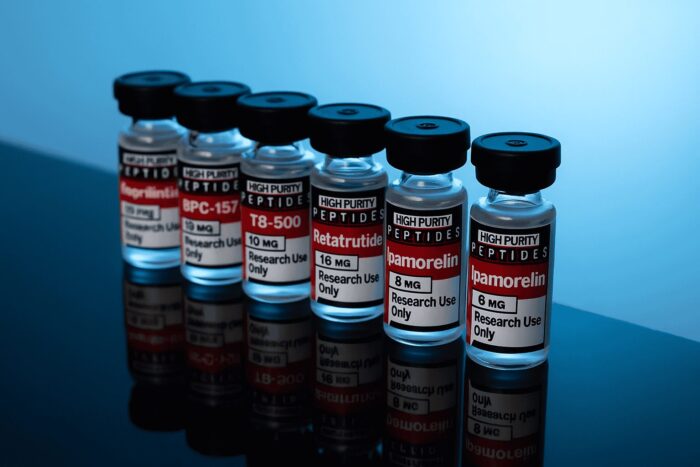
Reading A Palmetto Peptides Coa: A Functioned Example
Plainly, there is a whole lot greater than 5mg of "stuff" because vial. While identification, amount, and sterility are simple and crucial, pureness is not something that is being fully & properly assessed today and is supplying a false sense of security to customers in this space. Validate the safety and security and effectiveness of your reconstitution option.Where can I send my peptides to examine for pureness?
ACS Peptide Examining Labs is a specialist peptide evaluation lab that accepts samples from all 50 states. Whether you need to test peptide pureness, confirm a vendor''s Certificate of Analysis, or run comprehensive impurity screening, our lab provides fast, precise outcomes with in-depth coverage.
Electronic Verification (Required)
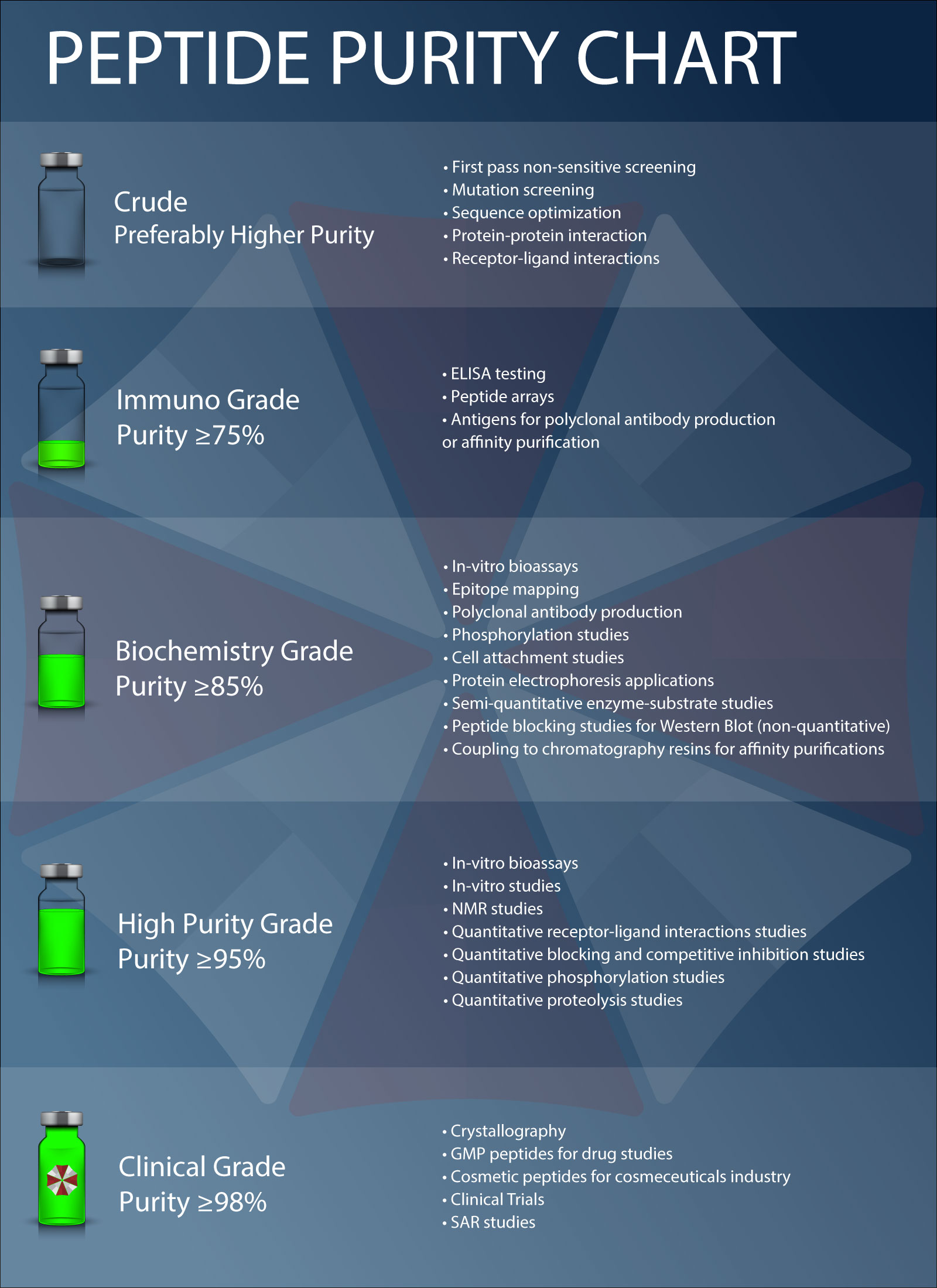
Its area relative to complete peak area determines the reported purity percent. A peptide missing one amino acid could appear 99% pure on HPLC because the truncated variation is still the leading species. This is why Pharmaceutical Grade Peptides HPLC alone isn't sufficient for complete confirmation. Smaller tops suggest contaminations, which might include truncated sequences, deletion sequences, or degradation products. Peptide pureness testing refers to logical procedures made use of to examine the composition and quality of a peptide sample. To ensure complete neutrality, we choose random samples directly from the finished production batch for independent lab testing. The very same product customers obtain is the item submitted for evaluation. Using high-performance fluid chromatography (HPLC), we confirm that the energetic ingredient web content is at least 99% pure. This gets rid of fillers and impurities, making sure the purity of every dose. Trace quantities of solvents used throughout synthesis and purification-- acetonitrile, dimethylformamide (DMF), dichloromethane-- can stay in the end product.- Crude peptides are suitable for applications where pureness isn't essential, such as antibody production or first screening assays where the target peptide just needs to be present, not dominant.
- Suppliers that give the same COA for months of production are not demonstrating sufficient quality control.
- Paperwork evaluation asks whether the record is batch-specific, deducible, and outlined enough to be examined.
- Peptide pureness is validated largely with reverse-phase HPLC, which divides the target compound from contaminations and quantifies their loved one peak locations.
- The very best peptide suppliers purchase legit quality assurance.